


Instacart Shopper: Earn money
4.259.27K Reviews
App Specs
- Version
- 4.496.6-p
- Updated On
- License
- Free
- Downloads
- 10,000,000+
- Developer
- Instacart
- Categories
- Shopping
- Platform
- Android, iOS
Screenshots

 Analysis by AppCompare
Shopping on someone else’s list can sound simple until a substitute is needed, a checkout line stalls, or a message arrives while you are comparing products. That is where a shopper app earns its keep: it has to help you make decisions on the move, not just display an order. Instacart Shopper: Earn Money is built around that practical task, pairing grocery shopping with a way to take on paid batches. I find the idea appealing for people who want flexible work, but the experience is shaped by more than the list: a steady connection, sensible route choices, and patience when a shop takes longer than expected all matter.
When the connection matters most
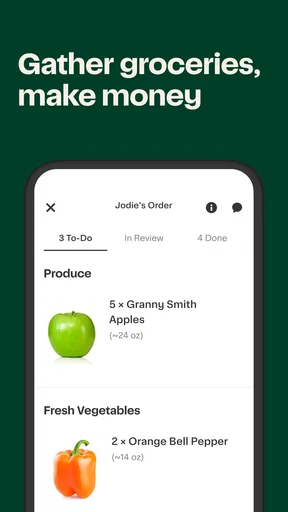
The app is most useful when you can check an order while moving through a store. Item details and customer instructions help narrow down what to pick, and an out-of-stock product can turn into a quick decision rather than a guess if you can reach the customer. That exchange depends on being able to send and receive messages in time. A weak signal in a large shop or a slow response can interrupt the rhythm, especially when you are trying to keep the order moving.
I would treat connectivity as part of the work setup, not an afterthought. Before accepting a batch, consider whether the stores and delivery area you expect to cover usually have reliable reception. If a product is unavailable, it can help to identify a reasonable alternative and send a concise question rather than waiting until the end of the shop. That does not guarantee a faster reply, but it makes the choice clearer for the customer and gives you a practical next step.
Designed for errands in motion
This is not the same kind of shopping app I would open to browse a weekly grocery order for my own household. Its purpose is to guide a shopper through work: review an offered batch, follow the list, handle changes, and complete the task. The store navigation can be helpful when you are unfamiliar with a location, though it should not replace your own judgement. Store layouts change, and a suggested path may not match the quickest route for every basket.
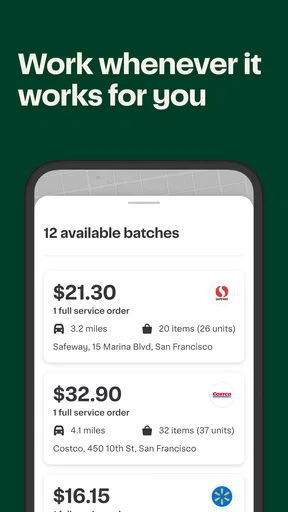
A realistic use case is a free stretch between other commitments. You could check the available work, choose an order that makes sense for your location and schedule, and shop while you are already near the relevant stores. The trade-off is that a batch is not just time spent picking items: travel, checkout, customer messages, and any delay can stretch the whole job. I would leave enough room in my day rather than accepting an order on the assumption that it will fit neatly into a short break.
What to do when a shop slows down
Unclear availability, a busy checkout, or a delayed customer response can turn a straightforward list into a longer task. The app’s suggested substitutes are a useful starting point, but they are not automatically the right choice for a particular customer. If the item is a specific brand, size, or dietary product, I would pay close attention to the details and ask before making a change when that seems important.
It also helps to think through recovery rather than expecting every order to run smoothly. If the connection drops or messages take a while, avoid making a rushed substitution just to keep moving. Recheck the list and the customer’s instructions when service returns, then continue with the clearest available choice. This kind of pause can feel inconvenient, but it is better than treating a guess as if it were confirmed.
Worth Reading Before You Choose

EA SPORTS FC Mobile 26 Is a Bigger Football Game, but It Takes Time

Flipboard Shows What News Apps Must Do Beyond the Feed

Switching to Android Auto Means Rethinking Your Driving Routine

Google Calendar Makes a Crowded Week Easier to Manage

Ludo King Makes the Most of the Minutes Between Plans

Baby Panda World Brings Quick Play to Modern Phones, but Its Game Library Feels Busy
Keeping the work practical
Because this is paid shopping rather than casual browsing, I would judge an order by the whole trip, not just the amount shown for the batch. A store close to your starting point may be more workable than one that sends you far away, even if the second option looks attractive at first. Traffic, fuel, parking, and wear on a vehicle all affect whether the work makes sense for you. People walking or using another mode of transport should likewise consider distance and how much they can comfortably carry.
For data-conscious use, I would keep the phone’s battery and connection in mind before starting a shop. A long session involving the order list and customer messages can be frustrating if the phone is nearly out of power. Checking that your device is ready before leaving home is a simple habit; it does not require assuming that the app will keep working without a network. If you regularly work in places with poor reception, that is a real drawback to weigh against the flexibility.
Who is likely to enjoy this kind of work?
I can see the appeal for someone who likes moving around, is comfortable making small decisions for other people, and wants work that can fit around other responsibilities. It may suit a person who already knows local grocery stores and can judge whether a route is reasonable. It is a less natural fit if you need predictable hours, dislike customer communication, or want income that does not depend on travel and the pace of shopping.
Compared with shopping apps meant for household customers, this one is focused on the worker’s side of the transaction rather than leisurely product discovery. Compared with a fixed-shift retail job, it offers more choice about which work to take, but that freedom comes with less certainty about how long an individual order will take. If dependable scheduled hours matter more to you than choosing batches, a conventional role may be the better match. If you want to shop for your own groceries, a customer-facing grocery app is the more direct tool.
So, does a connection problem make the app unusable? Not necessarily, but it can complicate communication and slow decisions, so I would not plan a shop around unreliable service. Is it suitable as a side gig? It can be, provided you evaluate the full trip and your costs rather than treating every available order as worthwhile. And is it a good choice for someone new to a store? The guidance can help, but learning the layout and allowing extra time will make the first shops less stressful.
Getting Started with Instacart Shopper
First things first, signing up for Instacart Shopper is a breeze. You just download the app from the App Store or Google Play, and you’re on your way. After a quick background check and a bit of onboarding, you’re set to start shopping. The app interface is pretty intuitive, which means you won’t find yourself lost in a maze of options.
What’s cool is that you can choose your own hours. Whether you’re a night owl or an early bird, you can schedule your shopping shifts to fit your lifestyle. This flexibility is perfect for anyone juggling multiple gigs or just looking for some extra cash without a fixed schedule.
The Shopping Experience
Once you’re approved, the real fun begins. The app sends you orders based on your location, and you can pick the ones you want to accept. It’s kind of like playing a game where you match items to a list, but with real groceries. You get detailed instructions for each item, which makes it pretty straightforward.
Shopping in-store is where the app really shines. It helps you navigate the aisles with ease. If an item is out of stock, the app suggests alternatives, and you can even chat with the customer for approval. It feels a bit like being a grocery hero!
Getting Paid and Perks
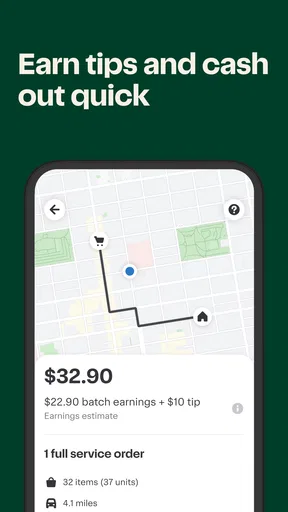
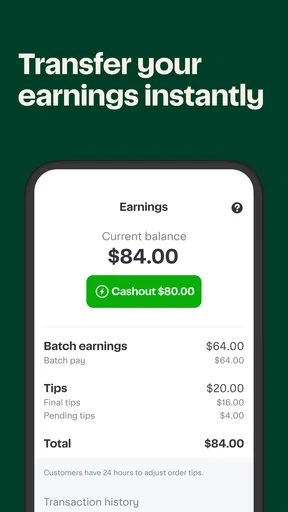
Now, let’s talk money, because that’s why we’re here, right? You earn a base pay for each order, plus tips, which can add up nicely. The app is transparent about your earnings, so you always know what you’re working towards.
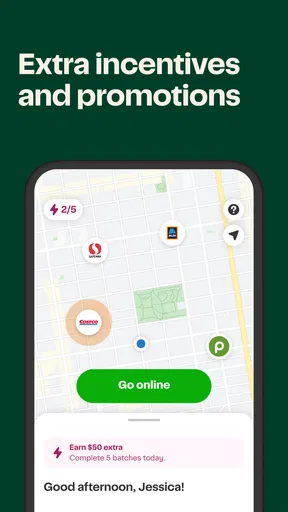
One of the things I love is that you get paid weekly. No waiting around for ages to see your hard-earned cash. Plus, there are bonuses during peak hours or for completing a certain number of batches. It’s like getting a little extra reward for your hustle!
Challenges and Considerations
Of course, like any gig, there are a few hurdles. Sometimes you’ll face heavy traffic or long lines at checkout, which can be a bit frustrating. The app does its best to estimate shopping times, but it’s not always perfect.
Additionally, you need to be mindful of your expenses like gas and car maintenance. These can cut into your earnings if you’re not careful. However, if you plan your routes wisely and take advantage of peak shopping times, you can definitely make it work.
Final Thoughts
Overall, Instacart Shopper: Earn Money offers a fantastic opportunity to earn on your terms. It’s perfect for anyone looking to make money without committing to a traditional job. The freedom to choose your hours and the satisfaction of helping people get their groceries are huge perks.
If you’re someone who enjoys shopping and doesn’t mind a bit of hustle, this app might just be the perfect fit for you. So, why not give it a shot? You might find yourself enjoying the gig economy more than you expected!
A closer look at the app itself
Instacart, the developer, keeps this free shopping app focused on the people fulfilling orders rather than customers placing them. It has an average rating of 4.2 from around 178,000 ratings, with about 59,000 written reviews and over 10 million installs. Those figures suggest a substantial user base, though they cannot tell you whether a particular store, neighborhood, or order will suit your routine.
The app is rated for Everyone, was released on April 30, 2019, and its current version is 4.486.7-p, with Android 8.0 as the minimum operating system. That makes the basic compatibility check straightforward for Android users: confirm your phone meets that requirement before relying on it for a shift. The listed release date and version are useful context, but your day-to-day experience will still depend on the phone, local reception, and the order in front of you.
Making a batch fit your day
One useful habit is to decide your boundaries before opening the offers. Think about how far you are willing to travel, how long you can stay out, and whether you can manage a larger grocery load. That makes it easier to pass on work that looks tempting but would pull you away from your plans. Flexibility is most valuable when it helps you choose, not when it pressures you to accept every opportunity.
For example, imagine finishing an appointment near a grocery store with a couple of hours free. You could look for an order nearby, shop while you are already in the area, and avoid turning a short opening into a long cross-town drive. If the basket includes unfamiliar products, take a moment to read the item notes before choosing a substitute. A little attention at the start can prevent backtracking or a string of messages later.
Order size is another practical consideration. A short list may be easier to fit around errands, while a large shop can mean more walking, more items to verify, and a longer checkout. I would not assume that the number of products alone tells the whole story: finding particular items or resolving replacements can add time. Matching the batch to your energy and available space is a better approach than treating the biggest order as automatically best.
Small decisions that prevent avoidable hassle
When you shop in a store you already know, use that familiarity without rushing through the customer’s specifications. A common product may have several sizes or varieties, and selecting the nearest-looking option can still be wrong. I would check the requested details first, then use the app’s substitution guidance and customer contact where appropriate. This balances speed with the fact that someone else is counting on the order.
It is also worth leaving room for the parts of the job that happen outside the aisles. A checkout queue or traffic can upset a tightly planned schedule, and the app’s time estimates cannot make those conditions disappear. If you have another commitment immediately afterward, a batch with little margin may be a poor choice even if the shopping itself seems manageable. The best workflow is the one that stays workable when one ordinary delay occurs.
How I would decide whether to try it
Before treating this as regular income, I would try to understand my own costs and routines over several outings. Note how much time the complete task takes, including getting to the store and finishing checkout, then compare that with the compensation shown for the work. Fuel and vehicle upkeep matter for drivers; distance and carrying capacity matter for anyone without a car. This is not complicated bookkeeping, but it can reveal whether a seemingly convenient batch is actually worthwhile for you.
The app’s appeal is real: choosing work and helping customers get groceries can feel more personal than a shift spent in one place. Still, the freedom is not the same as guaranteed ease. Demand, store conditions, customer responses, and connection quality can all affect the pace. I would recommend it most to someone who can stay calm when an item is missing and who is comfortable balancing time, travel, and communication.
If your priority is browsing groceries for your own home, use a customer shopping service instead. If your priority is stable hours and a predictable workplace, a scheduled retail job may be a better fit. But if you want a flexible way to take on grocery-shopping work, enjoy practical problem-solving, and can make careful choices about which batches to accept, this app is worth considering. My main advice is to treat each order as a complete trip—not just a list on a screen—and let your local conditions determine whether the opportunity makes sense.
Pros
- Flexible work schedule for better time management.
- User-friendly interface for easy navigation.
- Instant earnings with same-day payout options.
- Wide availability in various cities.
- Opportunities for bonuses and promotions.
Cons
- Requires a reliable vehicle for deliveries.
- Earnings can fluctuate based on demand.
- App glitches can occasionally delay orders.
- Gas and vehicle maintenance are personal expenses.
- Customer tips can be inconsistent.
FAQs for Instacart Shopper: Earn money
What is Instacart Shopper and how does it work?
Instacart Shopper is an app that allows individuals to earn money by shopping and delivering groceries to customers. As a shopper, you receive orders, shop for the items at local stores, and deliver them to the customer's doorstep. The app provides a flexible way to earn income, allowing you to choose hours that fit your schedule.
How do I sign up to become an Instacart Shopper?
To sign up as an Instacart Shopper, download the app from the App Store or Google Play. You'll need to create an account, complete a brief application, and provide necessary information such as your driver’s license and vehicle details. After a background check, you can start accepting orders.
What are the requirements to become an Instacart Shopper?
To become an Instacart Shopper, you must be at least 18 years old, have a smartphone capable of running the app, and own a reliable vehicle. Additionally, a valid driver’s license and proof of insurance are required. You should also be able to lift heavy grocery bags and shop efficiently.
How much can I earn as an Instacart Shopper?
Earnings as an Instacart Shopper vary based on factors like location, demand, and the number of orders fulfilled. Shoppers are paid per order, which includes a base pay, additional incentives, and tips from customers. On average, earnings can range from $10 to $20 per hour, with potential for more during peak times.
What are the pros and cons of being an Instacart Shopper?
The pros of being an Instacart Shopper include flexible working hours, the ability to choose which orders to accept, and the potential to earn tips. However, cons may include wear and tear on your vehicle, the physical demands of carrying groceries, and variable income based on order availability and customer tips.


